Cedar Pollen and Your AC: The Austin Homeowner's Survival Guide
Updated January 2026
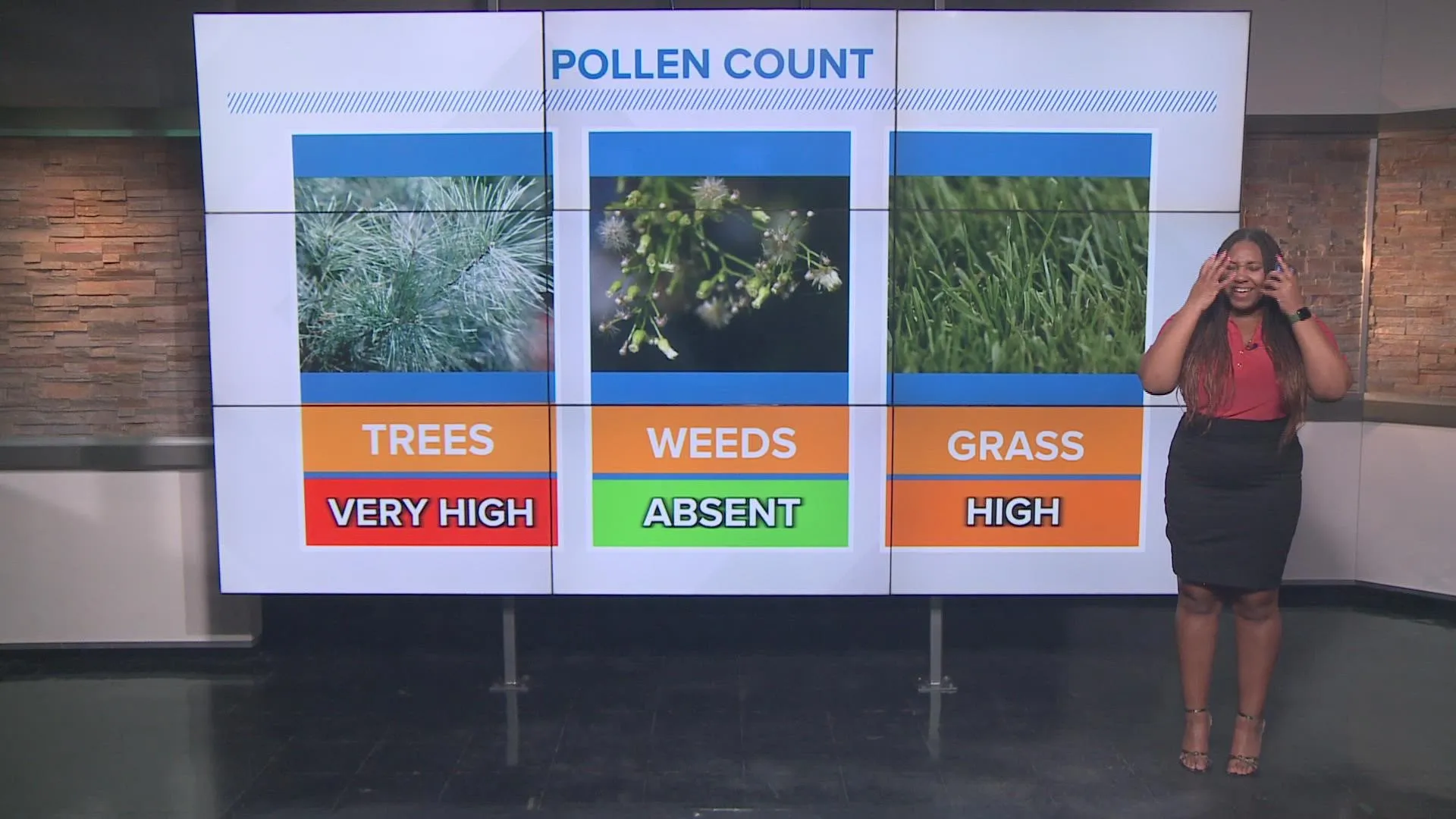
Mountain cedar (Ashe juniper) releases pollen from mid-December through February across Central Texas. Pollen counts regularly exceed 20,000 grains/m³ — among the highest of any allergen anywhere in the country. That pollen doesn't just trigger "cedar fever" in your sinuses. It clogs your AC filter in 2 weeks (vs the normal 30–60 day lifespan), coats your outdoor condenser coils and reduces system efficiency by 15–20%. Annual cost impact: $60–$200 in extra filters and maintenance.
What Cedar Pollen Does to Your AC
Clogs Indoor Air Filters
Cedar pollen grains are 20–30 microns — large enough for MERV 8 filters to catch but small enough to pack densely into filter media. A brand new filter turns solid gray in 2 weeks during peak cedar. A clogged filter restricts airflow, freezes evaporator coils and triggers a system shutdown. If your AC stops working in January, check the filter before calling a tech.
Coats Outdoor Condenser Coils
Cedar pollen sticks to the aluminum fins on your outdoor condenser unit. A light coating is cosmetic. A heavy coating blocks airflow and reduces heat transfer by 15–20%. Your compressor works harder, runs longer and uses more electricity. Rinse the outdoor unit with a garden hose (gentle stream, not pressure washer) every 2 weeks during cedar season.
Triggers Frozen Coils
Clogged filter → restricted airflow → evaporator coils drop below freezing → ice forms on coils and copper lines. You'll see ice on the lines going into your indoor air handler. Turn system to FAN ONLY for 2–3 hours to thaw, replace the filter, then restart in COOL or HEAT mode.
The Cedar Season AC Plan
Stock up on filters before December
Buy 4–5 filters (MERV 11 recommended). You'll change them every 2 weeks from mid-December through February. That's 4–5 changes during peak season at $10–$15 each = $40–$75 total.
Check your filter every 2 weeks
Pull it out and look. If it's gray or brown, replace it. Don't wait for symptoms (frozen coils, weak airflow) — by then you're already risking a $150+ service call.
Rinse the outdoor unit biweekly
Gentle garden hose stream from top to bottom. Takes 5 minutes. Removes pollen coating before it packs into the fins.
Schedule your annual tune-up for March
After cedar season ends, have a tech clean the evaporator coils, check refrigerant and inspect the system before summer demand hits. $79–$140 for a standard tune-up.
MERV 8 vs MERV 11 for Cedar Pollen
MERV 8 catches 70–85% of cedar pollen. MERV 11 catches 85–95%. The 15% difference matters during peak season — less pollen passes through to your evaporator coils and ductwork. MERV 11 filters cost $2–$5 more per filter. MERV 13+ is overkill for most Austin homes — the higher restriction can reduce airflow in systems not designed for it.
Need Post-Cedar Season Maintenance?
How This Works
1. Tell us what you need. Fill out the form above — takes 30 seconds.
2. We find the right fit. We pick one AC company that fits your job and budget.
3. They call you. One company. One call. They give you a price. No obligation.
Your info goes to one company. Not six. How it works →